By Beatriz Cruz
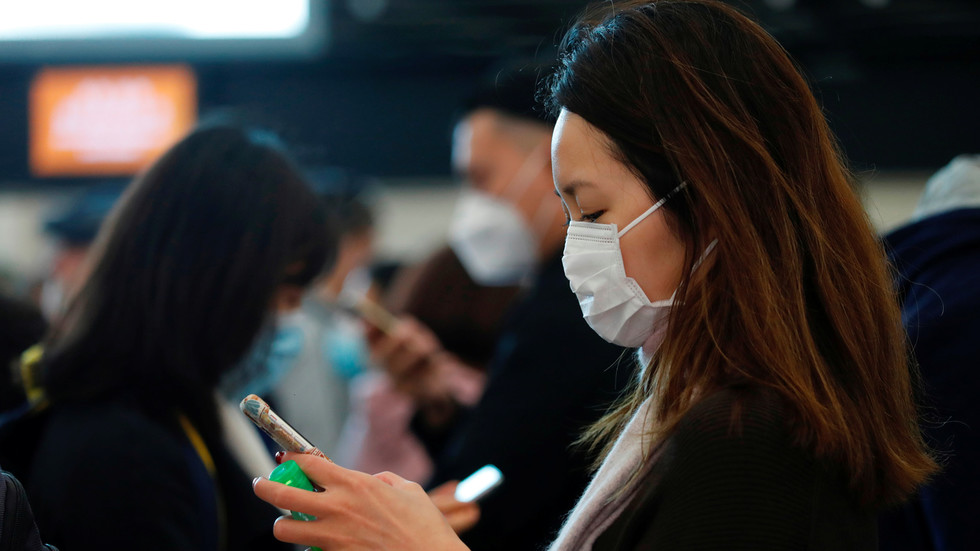
With over 12,069 cases and 259 deaths, the Coronavirus will not stop infecting the world anytime soon. Alongside this worldwide epidemic is another virus-like dispersal brought by the media. Misinformation, through advancements in technology and social networking sites, infects people’s minds to believe in false information.
Why is this alarming?
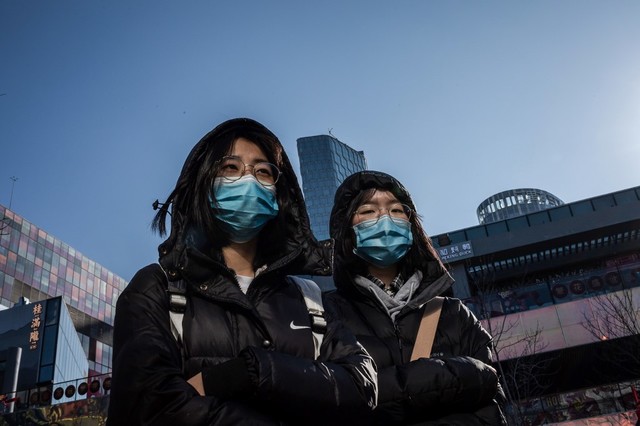
Misinformation affects all fields and institutions: a nation’s culture, lifestyle, politics, demographics, and all forms of decision making. We decide based on information, and deciding based on the wrong information can harm us. Although becoming the frequent medium of misinformation, social media must not be branded as a completely toxic platform. It is the manner of usage that must be given proper focus. Because of the fast transmission of information, social media is an inevitable tool in becoming updated. It, therefore, must be cultivated to good intentions and good use.
It is important to tackle a story with substance and truth. There are three ways to tackle a good story: 1.) Verifying the information you use in writing the story. The data you use aren’t yours to begin with, which makes fact checking a necessity. In the case of the Coronavirus, scientists, public health experts, and researchers will give the correct information. 2.) Illustrations and graphics can be used, as not everybody could comprehend statistics and other scientific jargon. 3.) As mentioned earlier, social media can be an efficient tool for vigilance. Information posted and shared must come from official sources, not anonymous nor treacherous senders.

To summarize, the media, as seen in its name, is the mediator between institutions and the public. The media must have a similar understanding of the issue, so as not to feed stigmas, and contribute more to finding the solution to issues.
 Sonder.